
The Italian Heart of Philadelphia: How a Heritage Became a Way of Life
Philadelphia wasn’t established by Italians, but Italians helped shape the heartbeat of the city. The accent, the food, the stoop culture, the Sunday traditions. So much of what feels “Philly” carries an Italian echo. South Philly especially still carries the imprint of the people who arrived here with little more than grit, recipes, and a belief that community could be built from scratch. This is the story behind why Philly feels the way it does.
When the Italians Arrived and Where They Settled
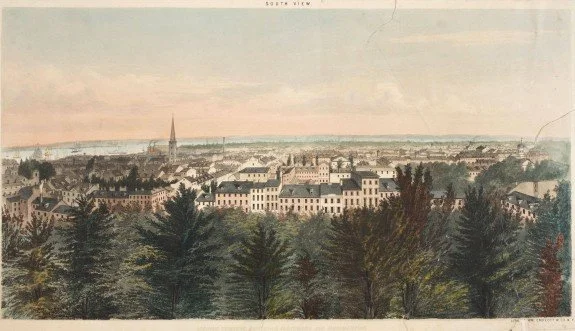
Italian presence in Philadelphia began in small, scattered ways as early as the 1700s, mostly artists, musicians, and intellectuals from northern Italy. But the true formation of an Italian community didn’t happen until the 1850s–1860s, when enough immigrants arrived to create a visible, cohesive neighborhood.
By 1870, 82% of Italians in the city lived in South Philadelphia, and by the early 20th century, the population surged with arrivals from Abruzzo, Avellino, Salerno, and Sicily, many of them laborers seeking opportunity.
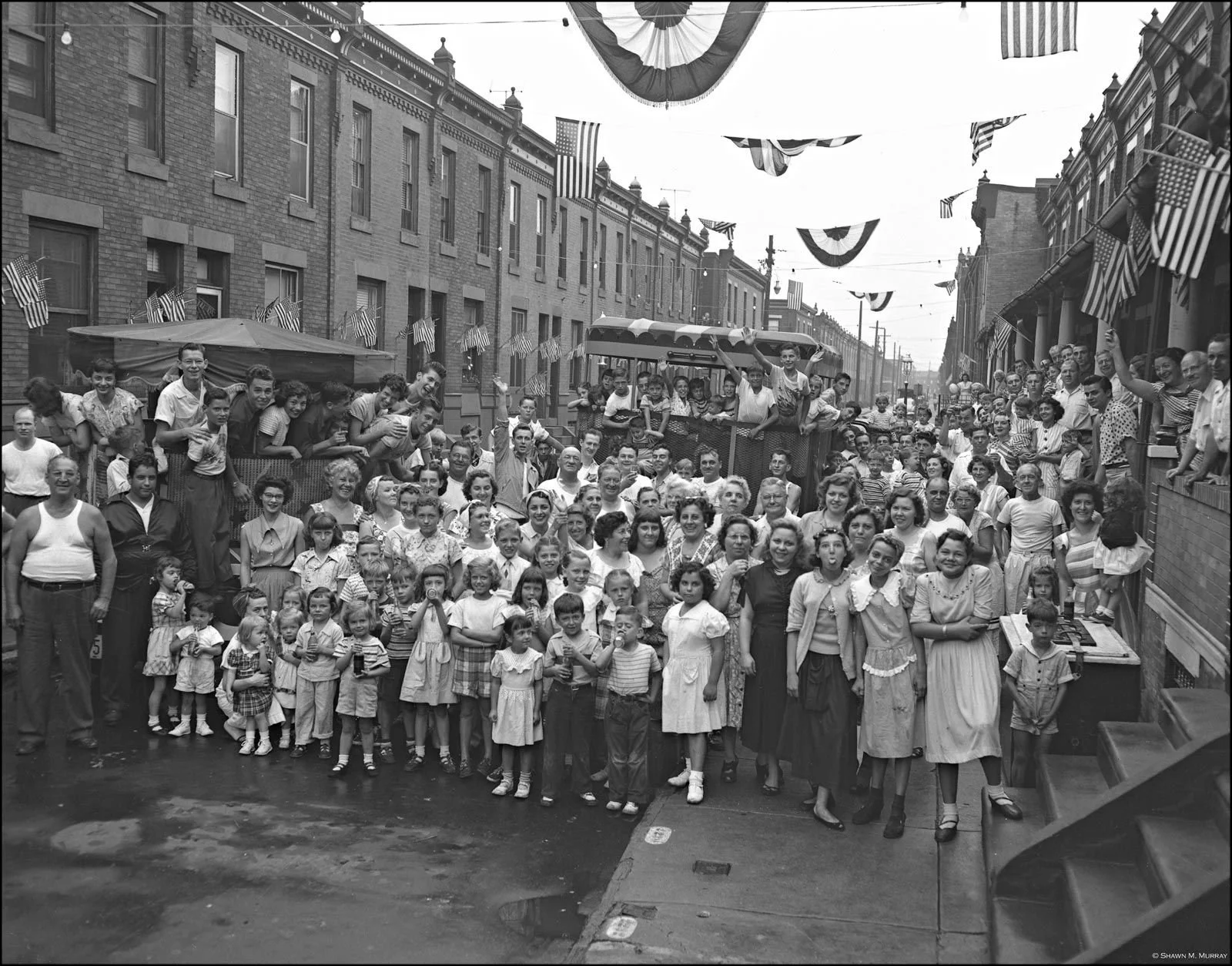
South Philly became the beating heart of this new community. A place where families lived close, cooked big, and built the foundations of what would become the Italian Market, red‑gravy (for the rest of us, this is pasta sauce) restaurants, and the city’s most enduring food traditions.
Did Italian Heritage Influence the Philly Accent?
Surprisingly… yes, at least in part.
While the Philly accent is a blend of many immigrant groups, linguists note that South Philadelphia’s Italian communities helped shape certain speech patterns, especially the distinctive vowel sounds and rhythmic cadence associated with “old‑school South Philly.” The influence isn’t singular — Irish and other groups played major roles — but the Italian imprint is real, especially in neighborhoods where Italian was spoken at home well into the 20th century.
Think of the way older South Philly residents stretch vowels, punch consonants, and speak with a kind of musicality — it echoes the speech patterns of Southern Italian dialects layered onto American English. A few of the words that you will hear when you visit::
Water
Standard: WAH‑ter
Philly: WOOD-ER
Why: Southern Italian dialects often round and tighten vowels. That “oo” sound mirrors the way vowels get compressed in Neapolitan and Sicilian speech.
Coffee
Standard: KAW‑fee
Philly: CAW‑fee (with a deeper, more rounded “aw”)
Why : Italian speakers tended to exaggerate open vowels, and South Philly families carried that forward. The “aw” becomes more dramatic and musical.
Mozzarella
Standard: maht‑suh‑RELL‑uh
Philly/Italian Market: MUTZ‑a‑rell or just MUTZ
Why it fits: This is straight from Southern Italian dialects, where consonants get dropped and vowels get tightened. Philly didn’t invent this, it inherited it.
Prosciutto
Standard: pro‑shoo‑toh
Philly/Italian Market: bra‑ZHOOT
Why: Again, pure Southern Italian influence. The “pr” softens, the “sci” becomes “zh,” and the ending vowel disappears. Philly kept the dialect version alive.
You all / You guys → “Youse”
Standard: you all
Philly: Youse
Why it fits: Italian dialects often use plural forms of “you,” and South Philly families naturally carried that structure into English. It’s not incorrect — it’s linguistic inheritance.
Boat
Standard: BOHT
Philly: BOOOHT (a longer, rounded “o”)
Why: This elongated, rounded vowel mirrors the way Southern Italian speakers shape “o” sounds — more forward, more rounded, more musical. It’s one of those subtle but unmistakable Philly tells.
The Food: Where Heritage Became Identity
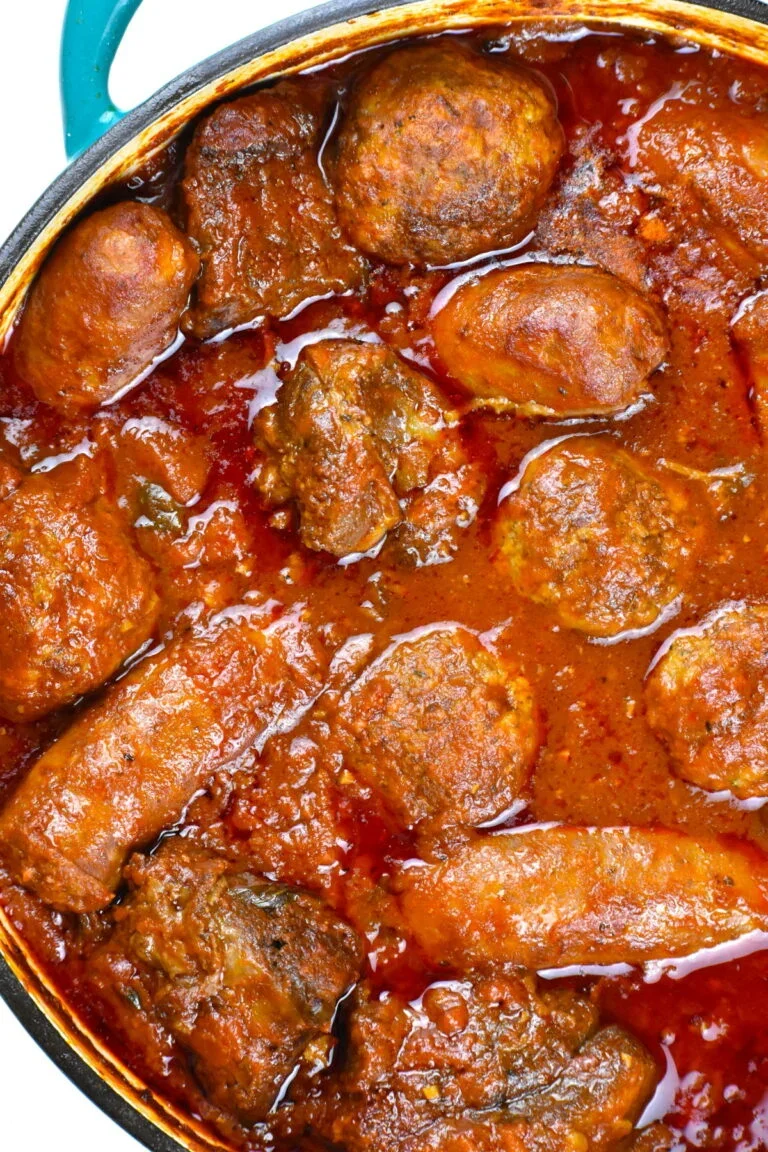
If there’s one place where Italian heritage shaped Philly most profoundly, it’s the table. Italian immigrants brought:
Red gravy Sundays
Hand‑rolled pasta traditions
Family‑run corner restaurants
A culture of feeding everyone who walks through the door
South Philly’s kitchens became the original cooking schools: mothers, grandmothers, and aunts teaching technique by hand, not by recipe card. Over time, these traditions spilled into restaurants, markets, and eventually the booming pasta‑making class scene we see today.
The Restaurants That Carry the Tradition Forward
These are the places where time stops, sauce simmers all day, and the dining room feels like someone’s living room. You can bring your own wine to these restaurants but makes dinner a great deal!
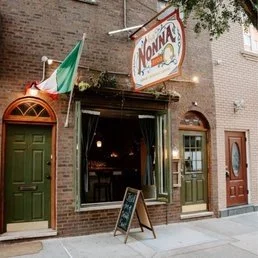
La Nonna - my favorite Italian BYOB — Handmade pastas, candlelit coziness, and that unmistakable South Philly hospitality. A true neighborhood gem and my personal favorite BYOB.)
L’Angelo’s - A warm, soulful neighborhood spot with heartfelt service and dishes that feel like they came straight from someone’s nonna.
Mr. Martino’s - Romantic, quirky, and deeply personal — a husband‑and‑wife–run treasure where every detail feels intentional and intimate,
Scannicchio’s - Classic South Philly comfort: big portions, bold flavors, and red gravy that tastes like it’s been perfected over generations.
These restaurants are the spiritual descendants of the early Italian families who settled between Christian Street and Ninth Street — the same corridor that became the Italian Market.
The Classics
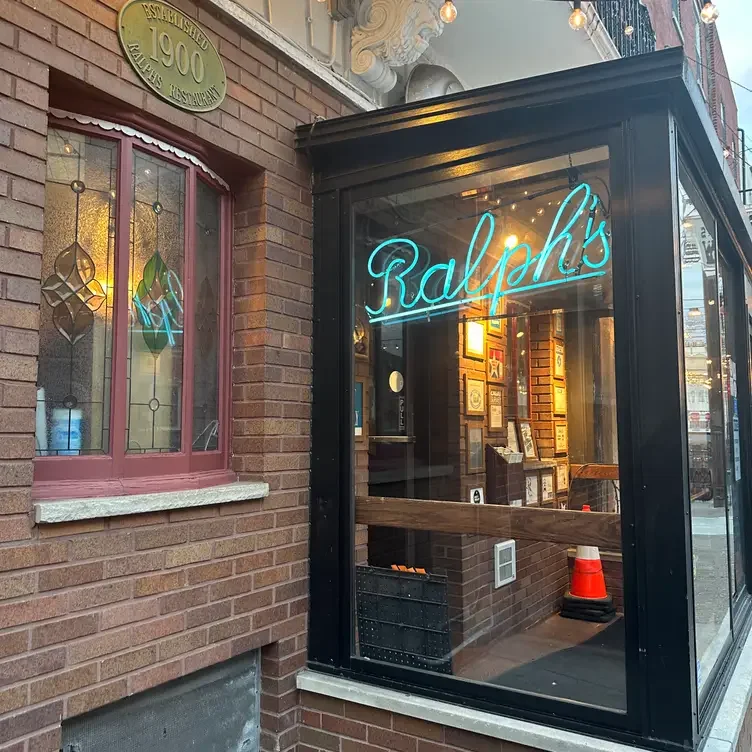
Ralph’s Italian Restaurant
The oldest Italian restaurant in America. Still family‑run, still iconic, still serving the dishes that built its legacy. I went their 125 Anniversary party a few months ago and it was so special. In fact, I just happen to be wearing the tee shirt I recieved during the event while typing this blog!
Villa di Roma
Red‑sauce royalty. No‑nonsense, beloved, and timeless. The kind of place where you half‑expect Rocky Balboa to walk in after a training session. I love this place and it is my go to Italian restaurant when i’m not looking for BYOB.
Victor’s Café
This is a dining room where Italian culture is performed as much as it’s served. Throughout the evening, classically trained servers break into live opera, turning dinner into a little slice of South Philly magic. It’s a restaurant with its own heartbeat, its own soundtrack, and a sense of occasion you feel the moment you walk in.
The Higher‑End Italian Spots
Vetri Cucina
A jewel box of handmade pastas and one of the most respected tasting menus in the country.
Fiorella
Marc Vetri’s pasta bar — tiny, atmospheric, and pasta‑obsessed in the best possible way.
Ristorante Pesto
Warm, generous, and beloved — refined dishes served with the kind of hospitality that makes you feel like family.
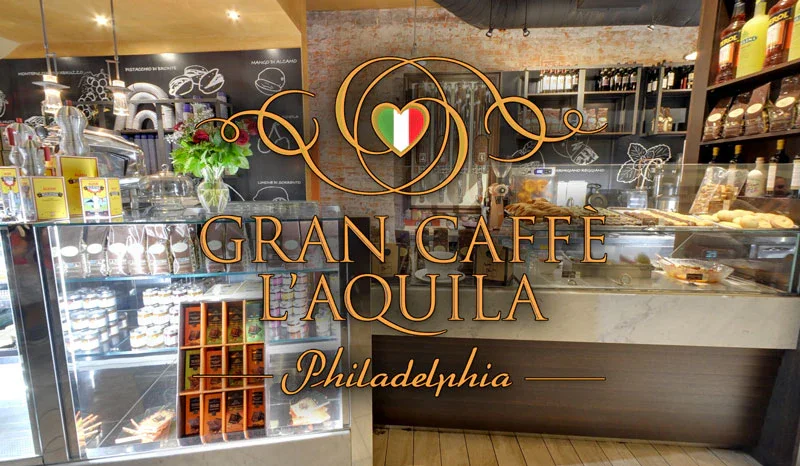
Gran Caffè L’Aquila
Part café, part restaurant, part gelato laboratory — a full Italian experience under one roof, from espresso to dinner to dessert.
These restaurants reinterpret the heritage with finesse. Handmade pasta, regional Italian cooking, and a reverence for ingredients that would make any nonna proud.
Pasta‑Making Classes: The Modern Expression of an Old Tradition
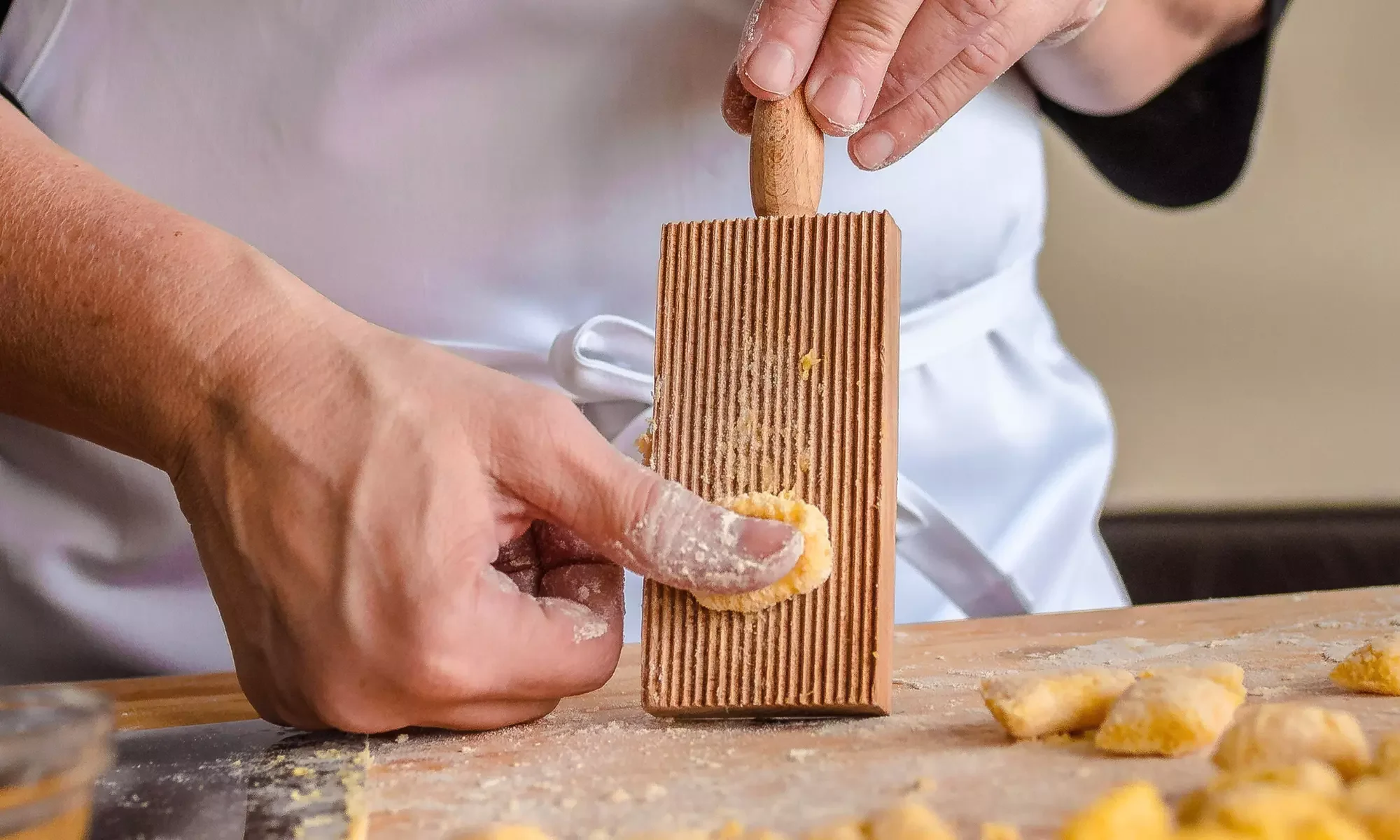
Visitors love this — and it’s no surprise. Pasta‑making in Philly isn’t a trend; it’s a continuation of a 150‑year‑old tradition of learning by hand.
Here are the best places to take a class:
CM Neff — technique‑driven, chef‑led, and deeply rooted in craft
Homemade by Bruno — heritage‑forward, emotional, and wildly popular
Midnight Pasta - a cult favorite, pop up pasta experience run by Chef Natalia Lepore-Hagan. Part dinner party, part cooking lesson and part theatrical event.
La Cucina at the Market — a classic Philly cooking school with Italian roots
These classes let visitors step into the lineage. Flour on the counter, dough under the fingernails, and that unmistakable feeling of making something from nothing, the way generations of South Philly families did..
Philly’s Italian Heritage Isn’t History — It’s Alive
Italian heritage in Philadelphia isn’t a museum piece. It’s the sound of neighbors talking on stoops, the smell of Sunday gravy drifting through rowhome windows, the restaurants that feel like family, and the classes where visitors learn the craft that built a community. It’s a living, breathing part of the city — and one of the most delicious.
