
Philadelphia Has a Soundtrack. Here's Where to Feel It.
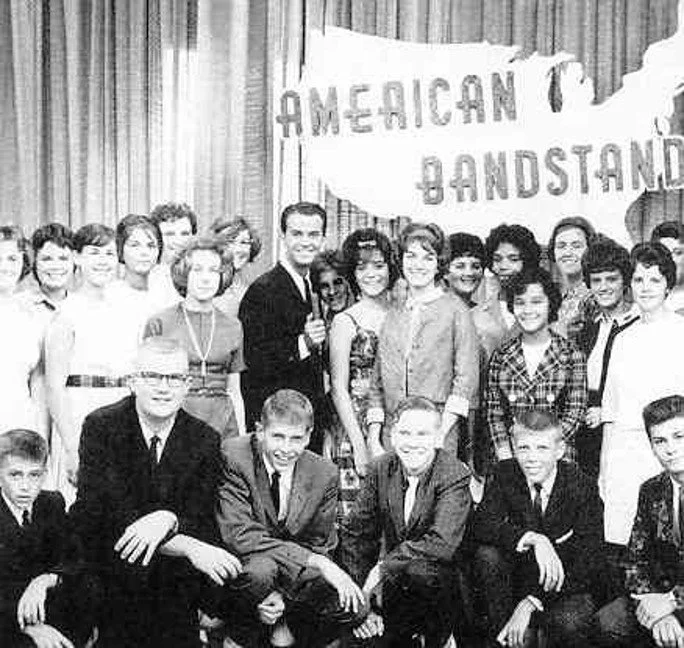
Bandstand in Philly!
In 1952, a local Philadelphia TV show called Bandstand started broadcasting from a studio at 46th and Market Street in West Philadelphia. Teenagers poured in from the surrounding high schools every afternoon to dance on camera. By 1957, Dick Clark had taken it national on ABC as American Bandstand — and just like that, Philadelphia became the place where America learned what music looked like.
Twenty years later, Don Cornelius was building Soul Train into the most important Black music showcase on television. He wasn't from Philadelphia — he was from Chicago. But he knew where the sound was coming from. He had a phrase he used over and over on the show: "We got another sound comin' out of Philly that's a sure 'nough dilly." And he meant it. The theme song for Soul Train — the one everyone knows — was "TSOP (The Sound of Philadelphia)" by MFSB, produced right here on South Broad Street by Kenny Gamble and Leon Huff.
During that time and since then, many wonderful artist have called Philadelphia home. Here are just a few!
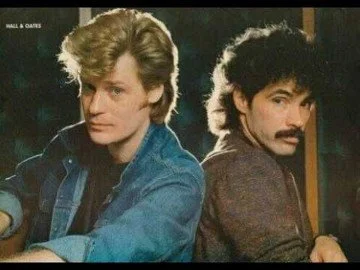
Hall & Oats
Both grew up in the Philadelphia suburbs. Both ended up at Temple University. And one night in 1967, both had bands booked at the Adelphi Ballroom in West Philadelphia for a WDAS-sponsored Battle of the Bands. A fight broke out — the kind you didn't wait around for — and two young musicians dove into the same service elevator to escape. That's where Daryl Hall and John Oates first met. They discovered they both went to Temple, went their separate ways, and fate kept nudging them back together until they became the best-selling duo in music history.
It's one of the greatest origin stories in rock and roll. And it happened right here.
Where to feel it: Walk the Temple University campus at Broad and Montgomery — the place that kept pulling them back together. Then head south to the Philadelphia Music Alliance Walk of Fame at Broad and Walnut, where their plaque lives in the sidewalk. Over 100 bronze plaques line these blocks. Hall & Oates have been there since 1993.
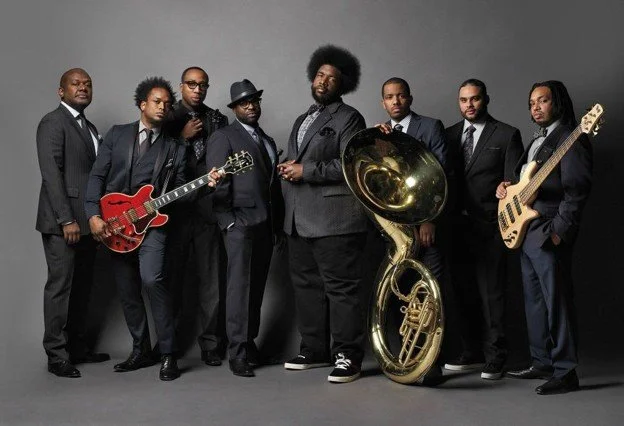
The Roots
From busking for date money on South Street to the Tonight Show.
Questlove and Black Thought met as students at the Philadelphia High School for Creative and Performing Arts — CAPA — on South Broad Street. They started The Roots there, then took it outside, literally: busking on the corner of 5th and South Street to make a few dollars. At the mural dedication years later, Questlove looked around and said: "21 years ago two high school graduates tried their luck at busking on 5th and South Street to make date money. 21 years and 10 blocks later, we return to the scene of the crime."
This is a band that never left. The Roots Picnic fills the Mann Center every summer. Questlove and Black Thought are woven into this city — in its schools, its murals, its bones.
Where to feel it: Three stops, all close together. Start at CAPA on South Broad — the school that made them. Walk to 512 S. Broad Street, where the "Legendary" mural covers the entire back wall: cassette tapes, boom boxes, Questlove's iconic afro pick. Then head down to the corner of 5th and South Street and stand exactly where it started. Bonus stop: Black Thought has his own separate mural at 1425 N. American Street in Olde Kensington.
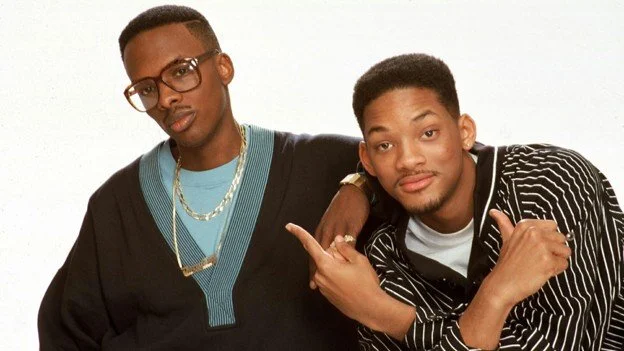
Will Smith & DJ Jazzy Jeff
In West Philadelphia, born and raised. He wasn't kidding.
Will Smith grew up in the Wynnefield neighborhood of West Philadelphia. Went to Overbrook High School. Met Jeff Townes at a house party in 1986. Together, as DJ Jazzy Jeff & The Fresh Prince, they became the first rap act to win a Grammy. And when The Fresh Prince of Bel-Air made him famous around the world, he opened every episode by telling everyone exactly where he came from.
The city recently renamed the 2000 block of North 59th Street — right outside Overbrook High School — Will Smith Way. At the ceremony he looked at the crowd and said: "Philly, I love you. I am yours, you are mine."
Where to feel it: The 65-foot Will Smith mural at 4545 W. Girard Avenue — it's impossible to miss and impossible not to love. Then head to Will Smith Way near Overbrook High School, where it all started. Walk the neighborhood. It's still right there.
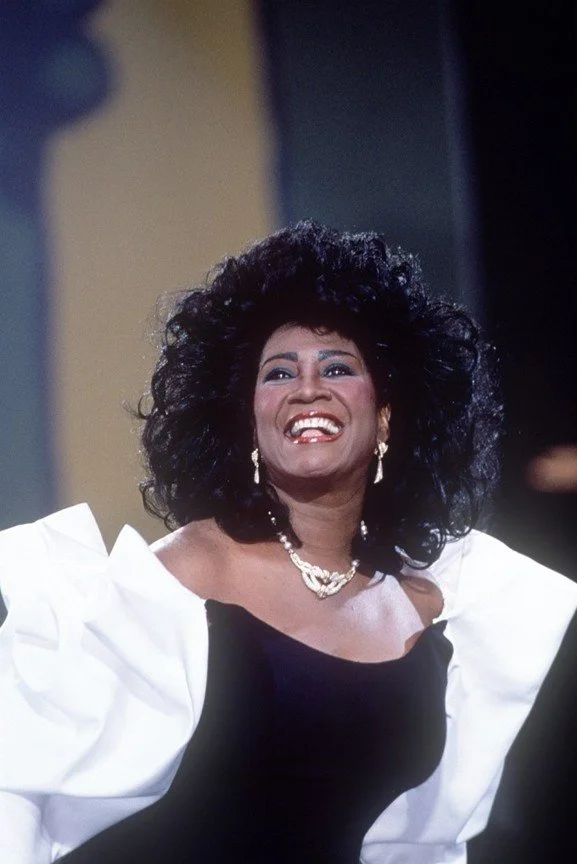
Patti LaBelle
West Philly's Godmother of Soul. Born Patricia Louise Holte in West Philadelphia in 1944. Started singing in church. Formed her first group — The Ordettes — at fifteen while a student at John Bartram High School. Became Patti LaBelle. Became a force of nature. Became the Godmother of Soul.
She has never stopped claiming this city, and this city has never stopped claiming her back. In 2019, the city renamed a stretch of Broad Street in her honor. Standing at the ceremony, she didn't give a polished speech. She just said, "My family walked this street. OK?"
Where to feel it: Patti LaBelle Way on Broad Street, right across from Gamble & Huff Walk — two Philadelphia legends, side by side, underfoot. Her Walk of Fame plaque is just steps away. And if you want to go deeper into her West Philadelphia roots, the reenvisioned Patti LaBelle mural is at 3402 Mantua Avenue — call ahead to confirm before making a special trip.
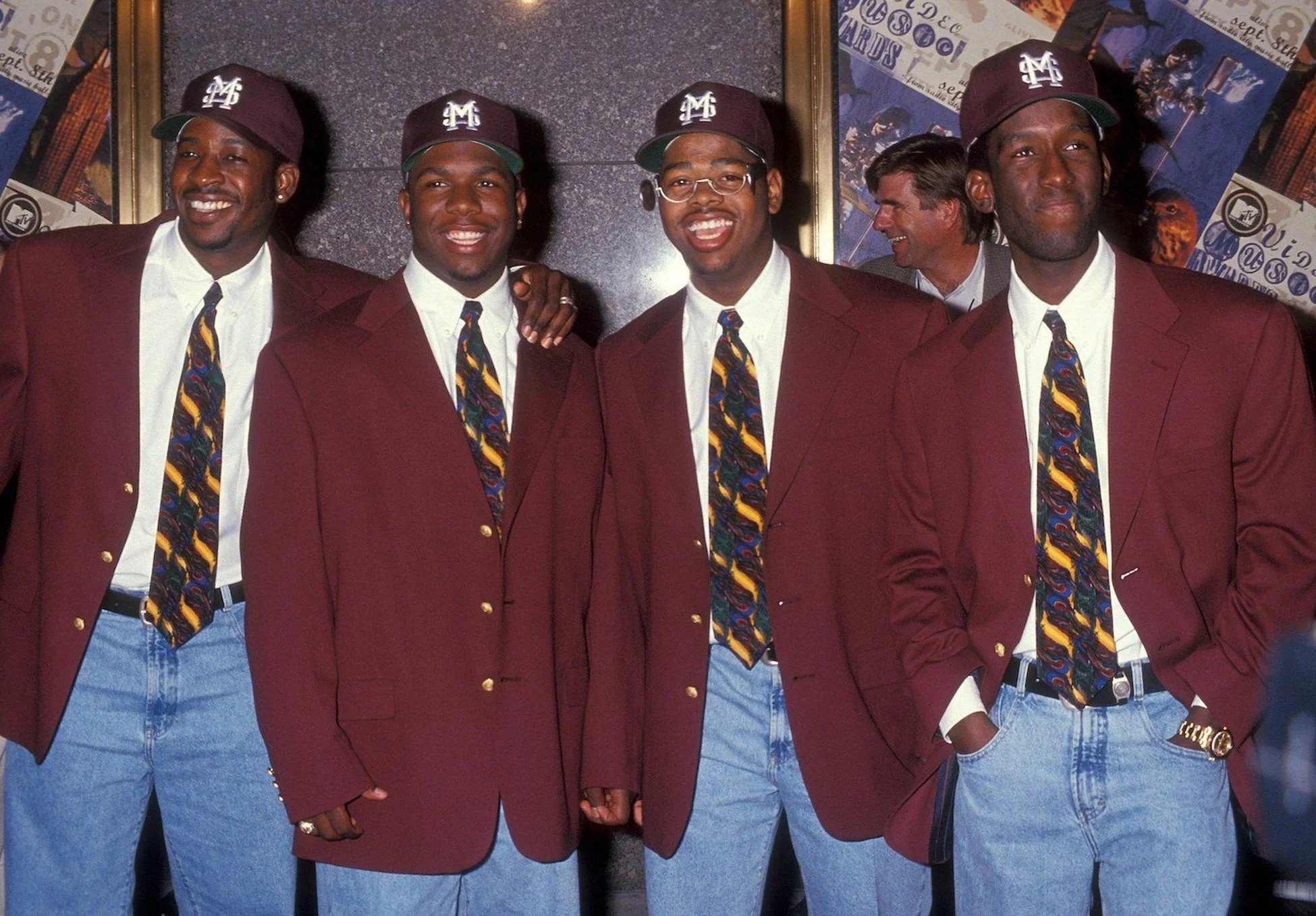
Boyz II Men
Nathan Morris was singing in class. His teacher told him to stop. He sang louder. He got kicked out into the hallway, where he met his future bandmate. That one moment of beautiful stubbornness at CAPA set the whole thing in motion. Boyz II Men rehearsed in classrooms and school bathrooms, played local talent shows, and became one of the best-selling R&B groups in history. And they never forgot where they came from: "Philadelphia shaped who we are — musically and personally."
Here's the part that makes this especially worth your time right now: Philadelphia just dedicated a brand-new Boyz II Men mural at 1122 S. Broad Street — 2,000 square feet, steps from CAPA, fresh as of this spring. It is enormous. It is everything.
Where to feel it: The new mural at 1122 S. Broad Street. Then walk a few blocks to CAPA itself — the school that started it all. And look for the street signs for Boyz II Men Boulevard, the renamed stretch of Broad between Christian and Carpenter Streets. That's not a metaphor. That's their name on the street.
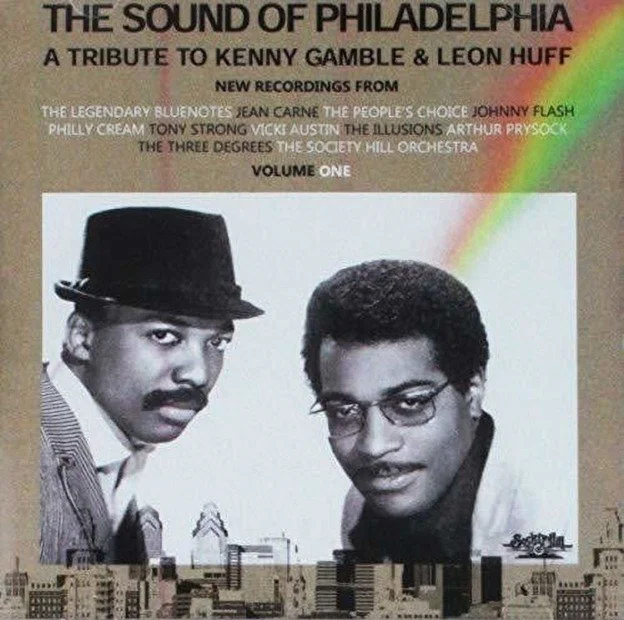
Gamble & Huff and The Philadelphia Sound — "TSOP (The Sound of Philadelphia)"
Kenny Gamble and Leon Huff didn't just produce records out of Philadelphia. They invented a sound — lush orchestration, deep soul, sophisticated arrangements — that defined American R&B in the 1970s and laid the groundwork for disco and everything that came after. From their Philadelphia International Records offices on South Broad Street, they shaped the O'Jays, Harold Melvin & the Blue Notes, Teddy Pendergrass, and dozens more. And when Don Cornelius needed a theme for Soul Train, he called Philadelphia.
The block they made famous is still there. The city named it for them.
Where to feel it: Gamble & Huff Walk on South Broad Street. Walk the entire stretch of the Philadelphia Music Alliance Walk of Fame between Walnut and Spruce, and you'll find plaques for the O'Jays, Teddy Pendergrass, and the constellation of artists they helped create. This two-block walk might be the most music-dense stretch of sidewalk in America.
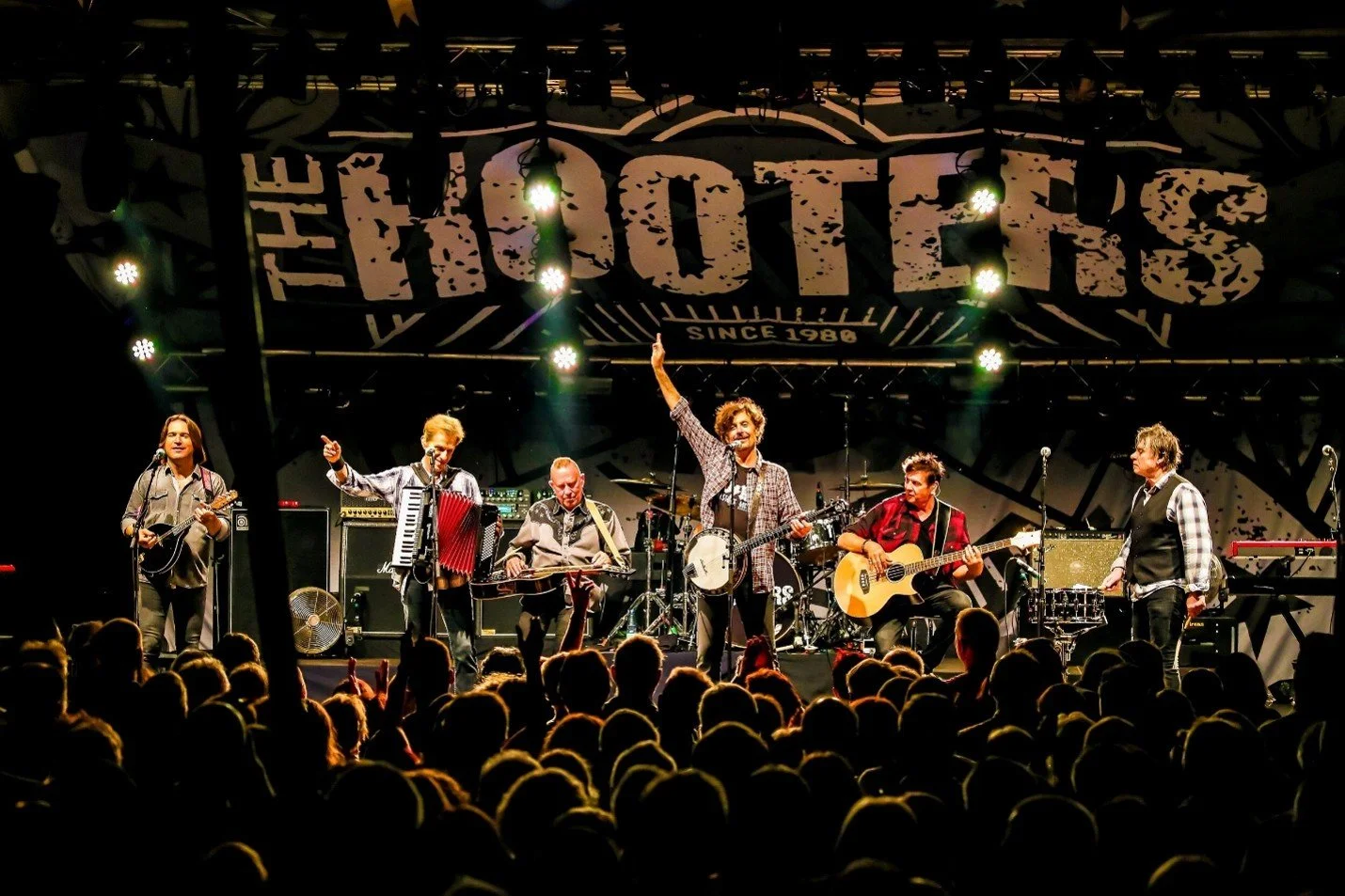
The Hooters
Philly's rock institution. Still here. Still playing.
Formed in 1980, named after the melodica — the little instrument that gives them their distinctive sound. They started with a long run of Monday nights at Grendel's Lair at 5th and South, built a following on WMMR, and opened Live Aid in Philadelphia in 1985. Rolling Stone named them Best New Band of the Year. They've been Philly's band ever since, and they are still performing — because this is still their city.
In 2019, the Philadelphia Music Alliance gave The Hooters a Walk of Fame plaque. Rob Hyman and Eric Bazilian, the songwriting heart of the band, also have their own individual plaques. That's three plaques on the same stretch of Broad Street for one band. That tells you everything you need to know.
Where to feel it: The Walk of Fame plaque on the west side of Broad Street near Pine Street. And if you can catch them live while you're here — do it.
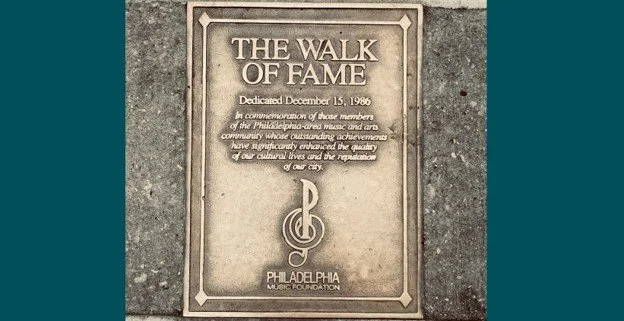
The Full Walk
Make your way to South Broad Street and hear fifty years of American music beneath your feet.
Start at Broad and Walnut — the top of the Walk of Fame. Head south. You'll pass Hall & Oates, The Hooters, the O'Jays, Teddy Pendergrass, Gamble & Huff. You'll cross Patti LaBelle Way and Gamble & Huff Walk — two street signs, side by side, marking two of the most important forces in American soul music.
Keep going and you'll reach CAPA, the school that gave us The Roots and Boyz II Men. Just steps beyond, the brand-new Boyz II Men mural. And down the block, Boyz II Men Boulevard at Christian and Carpenter.
Two miles of sidewalk. Five decades of music. That's Philadelphia.
This city didn't just produce musicians. It produced the people who changed what music was. And most of it is right there — waiting on a street corner, painted on a building, pressed into the sidewalk — for anyone who knows where to look.
Want someone to build a day around all of it? That's exactly what I do.
